





News
Can't sleep? Before you blame insomnia, check your sleep environment

When sleep becomes a struggle, it's easy to blame stress, a busy mind, or insomnia. But your mattress, pillow, bedding, and sleeping environment can also influence how comfortably you sleep and how often your rest gets interrupted. Use this checklist to see whether your bed could be contributing to your sleep troubles.
1. You wake up with aches you didn't have at bedtime
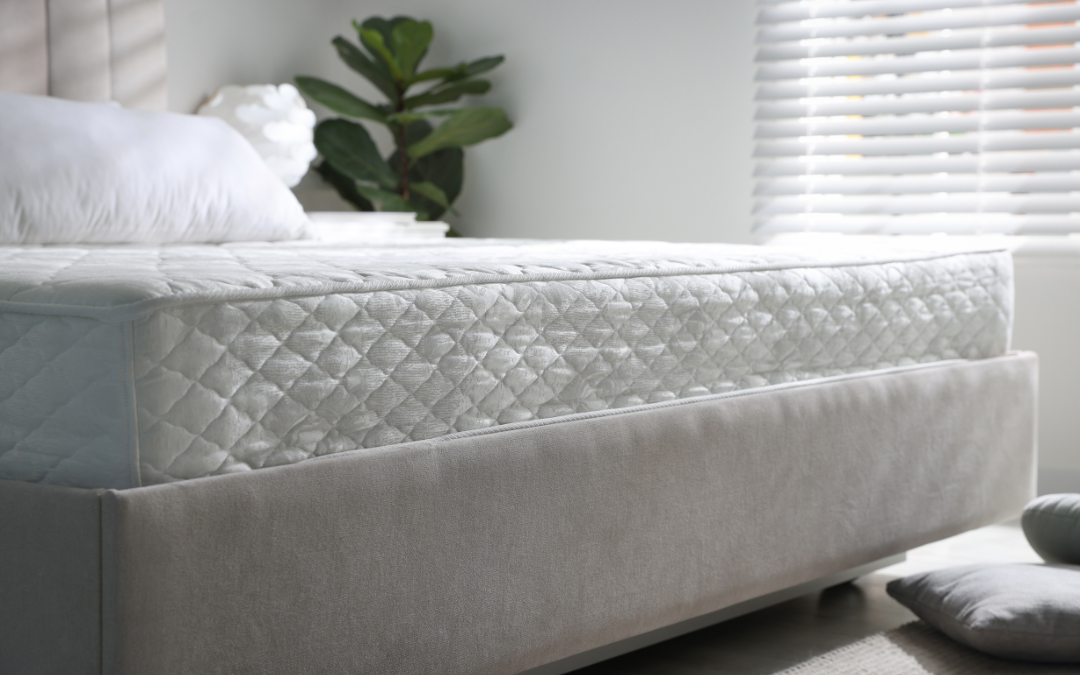
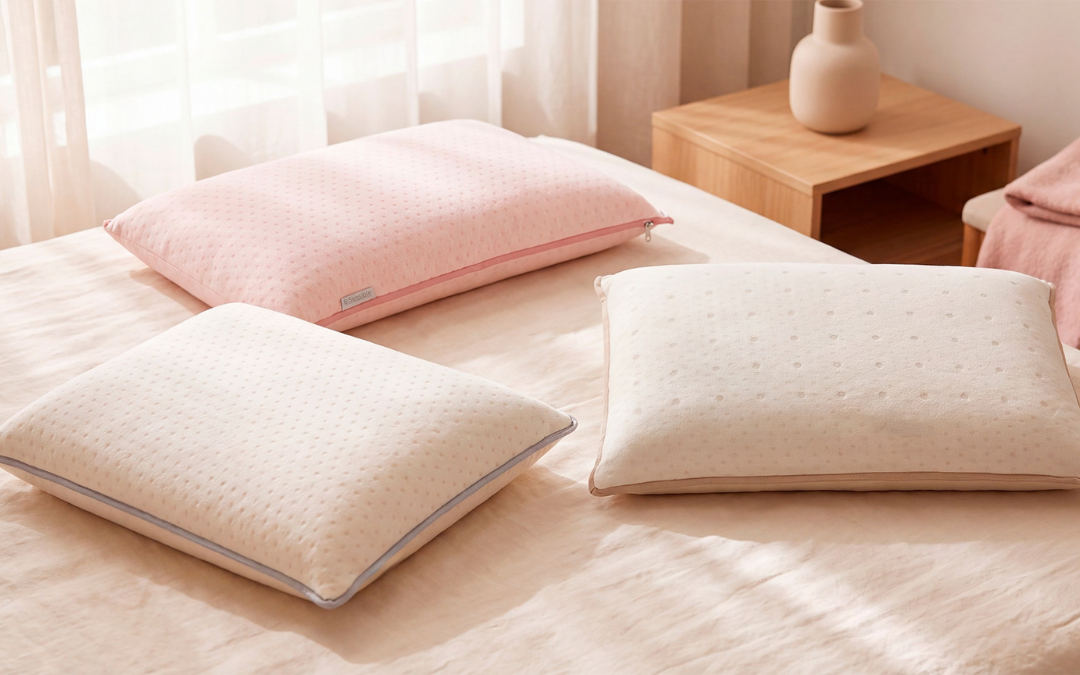
You went to bed feeling fine, but morning arrives with a stiff neck, an aching shoulder, or an uncomfortable lower back. Your sleeping setup could be contributing to the discomfort. Your body needs a comfortable surface that provides appropriate support. If your mattress sags or creates pressure points, or your pillow doesn't suit your sleeping position, it may be time for a change.
2. You toss and turn more than you'd like to admit
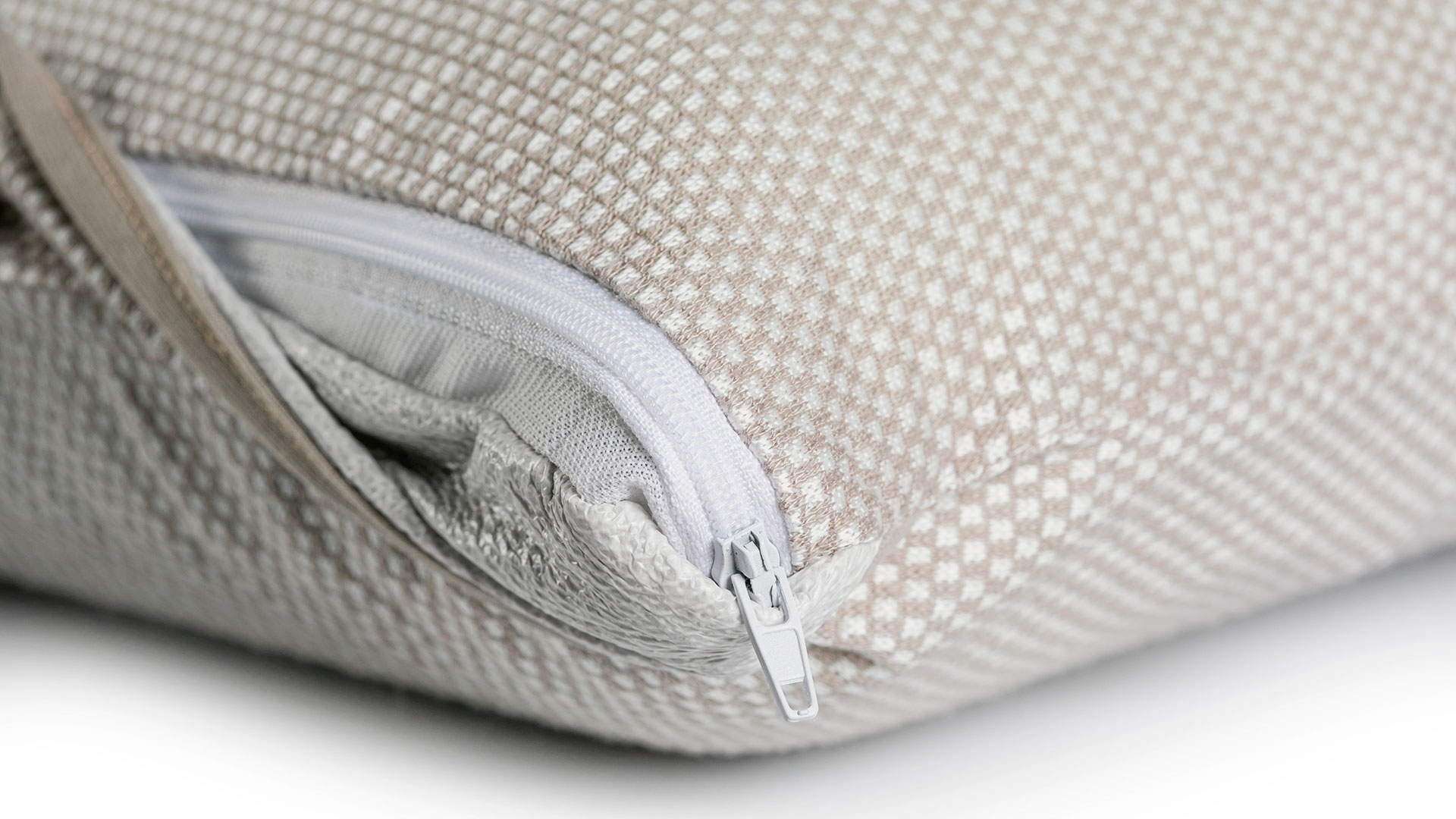
Occasional movement during sleep is normal, but constantly changing positions because something feels uncomfortable is worth paying attention to. The culprit might be your bedding rather than your mattress. Rough textures, stiff fabrics, irritating seams, or bedding that feels too warm or clammy can make it harder to settle comfortably. Research suggests that bedding and sleepwear materials can influence comfort, although their effects on sleep quality vary.
3. You wake up hot, sweaty, or desperate to escape the covers
Your body temperature naturally changes as you fall asleep and maintain your sleep-wake rhythm. Bedding also creates a small environment around your body, known as the bed microclimate, where heat and moisture can accumulate. If your bedding doesn't suit your room's temperature, try lighter covers, breathable sleepwear, and a bedroom temperature that feels comfortable to you.
4. You sleep better almost anywhere else
Have you ever stayed at a hotel or spent a night in a guest room and unexpectedly woken up feeling great? While one good night away doesn't prove your bed is the problem, repeatedly sleeping better elsewhere is worth investigating. Travel can change your routine, stress levels, activity, and light exposure, but an uncomfortable mattress or unsuitable bedding may also affect your rest.
Your sleep environment may contribute to restless nights, but stress, medical conditions, medications, and other factors can also interfere with sleep. Start with small adjustments to your mattress, pillow, and bedding, and observe whether they help over several nights. Sometimes, better sleep begins with choosing bedding that feels comfortable and suits your needs.